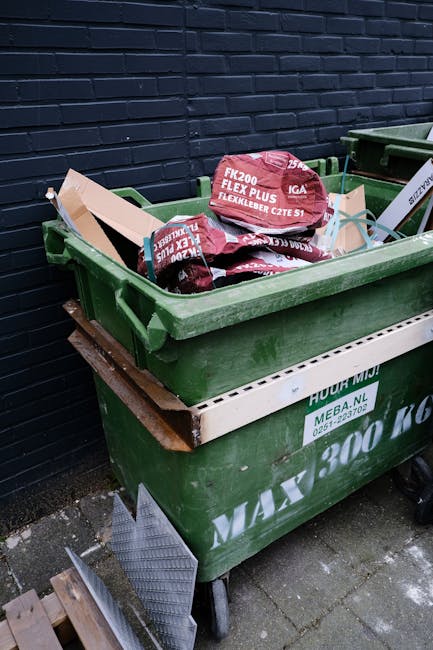
5 Rubbish Disposal Myths That Could Lead to Fines
If you have ever left a bag of waste beside a bin, tipped mixed rubbish into the wrong skip, or assumed "someone else will sort it out", you are not alone. Rubbish disposal looks simple from the outside, but that is exactly why people get caught out. In reality, a few common rubbish disposal myths can lead to avoidable fines, complaints, missed collections, or worse, the wrong waste ending up where it should never be. This guide walks through the 5 rubbish disposal myths that could lead to fines, explains what actually matters, and shows you how to stay on the right side of good practice without overcomplicating it.
Truth be told, most problems start with a small misunderstanding. A bit of old furniture in the hallway, a few builder's bags after a weekend job, or a garage full of mixed items can quickly become a compliance headache. Let's clear up the myths properly.
Table of Contents
- Why these rubbish disposal myths matter
- How rubbish disposal works in practice
- Key benefits of getting it right
- Who needs this guidance
- Step-by-step guidance
- Expert tips for smoother disposal
- Common mistakes to avoid
- Tools, resources and recommendations
- Law, compliance and best practice
- Options and comparison
- Real-world example
- Practical checklist
- Conclusion
- Frequently asked questions
Why 5 Rubbish Disposal Myths That Could Lead to Fines Matters
There is a simple reason this topic matters: waste rules are not just about tidiness. They are about public safety, contamination control, traceability, and making sure rubbish is handled responsibly from start to finish. When people act on the wrong assumptions, waste can be left in unsuitable places, handed to the wrong person, or mixed in ways that make reuse and recycling much harder.
That is where fines and penalties can creep in. A homeowner might think a bag left near a communal bin is "close enough". A landlord might assume a tenant's rubbish is automatically the council's problem. A small business may believe mixed office waste can be dealt with later. Each of those assumptions can create trouble. Some are legal risks. Some are practical risks. Usually, they are both.
The bigger issue is that rubbish disposal errors often snowball. One wrong decision can lead to fly-tipping allegations, contamination of a load, extra collection charges, or disputes over who is responsible. In our experience, people rarely intend to do the wrong thing. They just trust the myth because it sounds convenient. And convenience, in waste management, can be expensive. Annoying, really.
If you are dealing with a bigger clear-out, such as a loft clearance, garage clearance, or house clearance, the stakes rise quickly because volume and variety make mistakes easier to miss. If you are planning a larger project, it can help to review a proper waste removal service approach rather than improvising on the day.
How 5 Rubbish Disposal Myths That Could Lead to Fines Works
The phrase sounds dramatic, but the mechanism is straightforward: a myth leads to a poor disposal decision, and that decision creates a compliance or enforcement issue. The issue may be immediate, or it may surface later when waste is inspected, traced, or challenged.
Here is the basic pattern:
- You assume a shortcut is acceptable.
- You place, hand over, or store waste incorrectly.
- The waste is then collected, abandoned, rejected, contaminated, or linked back to you.
- A council, property manager, landlord, or waste operator flags the issue.
- You may face a charge, a warning, a refusal, or a fine depending on the circumstances.
That chain can happen with household rubbish, garden waste, commercial rubbish, bulky items, and construction debris. Builders' waste is a classic example because it often contains mixed material. A few bricks, plasterboard, timber offcuts, and packaging can all look harmless individually, but they need the right handling. If your project involves a renovation or refurbishment, a dedicated builders waste clearance arrangement is usually far safer than chucking everything together.
The myths covered in this article are not obscure edge cases. They are the everyday misunderstandings that make people think they can skip sorting, skip checks, or skip responsibility. That is exactly why they lead to fines so often.
Myth 1: "If it is outside, it is fine to leave it there"
This is probably the most common one. People leave bags, furniture, or broken items near a bin store, on a pavement edge, in a shared hallway, or beside a skip and assume that means the waste is "in progress". Not necessarily. If waste blocks access, creates a hazard, or appears abandoned, it can be treated as a nuisance or a fly-tipping issue depending on the setting.
In flats especially, this causes friction quickly. One person leaves a mattress out "just for tonight", then another item appears next to it, and suddenly the communal area looks like a dumping ground. If you are dealing with a shared building, a flat clearance or building-wide clearance plan is far better than relying on goodwill and hoping nobody notices.
Myth 2: "The council will take anything if I put it out"
Not quite. Councils usually have rules for accepted materials, collection schedules, size limits, and presentation requirements. Oversized items, mixed waste, or contaminated materials may be refused or left behind. People often only learn this after dragging everything to the kerb and finding a notice on the bag, which is not a fun start to the morning.
Furniture is a good example. A sofa or wardrobe may need special handling, and some items cannot go in regular kerbside collections at all. Before you assume a bulky item will be accepted, it is worth checking whether furniture disposal is needed instead of relying on standard bin services.
Myth 3: "If it is only a bit of rubbish, it does not matter who handles it"
Actually, who handles waste matters a great deal. Passing rubbish to an unverified collector can leave you exposed if the waste is dumped illegally later. The law and good practice generally expect waste to be transferred responsibly, with the right checks and records where applicable. A cheap price is no bargain if your waste ends up on a roadside verge and comes back to you in the form of a fine or complaint.
This comes up in household clearances, but also in offices and shops. A box of old files, broken furniture, packaging, and IT waste may seem routine, yet the disposal route still matters. If you are clearing work premises, office clearance should be handled with the same care as domestic waste, maybe more so because there may be confidential or mixed material involved.
Myth 4: "Mixed waste is easier, so it is probably acceptable"
It is easier, yes. Acceptable? Not always. Mixed waste can contaminate recyclable material and create extra sorting costs. It also makes loads harder to classify. Garden waste mixed with rubble, food waste mixed with packaging, or timber mixed with plasterboard may all create avoidable problems.
We see this most often after home clear-outs and garden jobs. Someone clears a shed or trims a hedge and throws everything into one pile. Then the pile includes soil, plastic pots, broken tools, paint tins, and old furniture. A clearer route, such as garden clearance, helps separate materials sensibly and reduces the chance of rejected loads or extra fees.
Myth 5: "If I paid someone, the responsibility is no longer mine"
This one catches people out more than they expect. Paying a contractor does not automatically erase your responsibility if the waste is handled badly. You still need to choose someone who operates properly, communicates clearly, and deals with waste in line with accepted practice. If a clearance job sounds vague, that is your cue to slow down.
For bulky household items and one-off collections, it is wise to use a provider that explains how items are removed, separated, and processed. You can also look at their published standards, such as recycling and sustainability, to see whether the business takes responsible disposal seriously rather than treating it as a throwaway phrase.
Key Benefits and Practical Advantages
Getting rubbish disposal right does more than avoid fines. It saves time, reduces stress, and keeps jobs moving. That sounds obvious, but you notice it most when things go wrong. A rejected load means repacking. A contaminated pile means re-sorting. A complaint from a neighbour means a lot of awkward explaining, and nobody enjoys that.
There are also practical advantages that people sometimes overlook:
- Cleaner spaces: waste is removed sooner and safer, which helps in homes, garages, and workspaces.
- Lower risk of refusal: waste that is sorted properly is less likely to be turned away or surcharged.
- Better recycling outcomes: more material can be recovered when it is separated sensibly.
- Less hassle for neighbours and property managers: especially in shared buildings or business premises.
- Clearer budgeting: you are less likely to face surprise costs from corrections or repeat visits.
There is also a confidence benefit. Once you know the myths, you stop second-guessing every bag, box, and broken chair. You know what needs a specialist route, what can go in general waste, and what should be kept separate. Small thing? Maybe. But it makes a real difference on a busy day.
Who This Is For and When It Makes Sense
This guidance is useful for almost anyone dealing with rubbish beyond a single kitchen bin. The people who benefit most usually fall into a few groups:
- Homeowners clearing out lofts, garages, sheds, or spare rooms.
- Tenants and landlords managing move-outs, end-of-tenancy waste, or abandoned items.
- Families dealing with bulky furniture, old appliances, and mixed household clutter.
- Tradespeople and property developers handling renovation or site waste.
- Small businesses and offices replacing furniture, equipment, or archived materials.
- Managing agents and block owners dealing with communal areas and shared waste points.
It makes sense whenever the waste is too bulky, too mixed, too awkward, or too time-sensitive to leave to chance. For example, after a weekend clearance, you may have an old sofa, flat-pack fragments, an exercise bike, a few bags of black sacks, and odd bits of packaging. That is exactly the sort of mixed load where myths start to cause trouble.
If the task involves heavy or awkward furniture, it may be simpler to use a dedicated furniture clearance service rather than trying to piece together disposal options yourself. Same idea for cluttered homes where multiple rooms need attention; a structured home clearance can save a lot of guesswork.
Step-by-Step Guidance
Here is the simplest reliable way to handle rubbish without falling for the myths. Nothing fancy. Just a sensible process that works in real life.
- Identify the waste type. Ask whether it is household, garden, bulky furniture, builders' waste, office waste, or a mix. Do not assume everything belongs in the same pile.
- Separate what can be separated. Keep recyclables, hazardous materials, furniture, and general waste apart where possible. A minute of sorting now can save a mess later.
- Check the disposal route. Decide whether it is suitable for kerbside collection, a bulky waste service, recycling, or a specialist clearance.
- Confirm who is responsible. If you are a tenant, landlord, employer, or contractor, make sure responsibility is clear. That part is often glossed over.
- Choose a lawful, transparent option. Avoid vague "man with a van" offers unless the service is clear about how waste is handled.
- Keep evidence where it matters. For business waste especially, keep records, invoices, or transfer details as appropriate.
- Book removal before waste becomes a problem. The longer rubbish sits, the more likely it is to attract complaints, damp, pests, or missed deadlines.
A practical rule of thumb: if you would be annoyed to see it outside your own front door for three days, it is probably time to deal with it properly. Simple, but useful.
Expert Tips for Better Results
Here are the habits that tend to separate smooth collections from stressful ones.
- Take a quick inventory first. A phone photo of the waste pile can help you estimate volume and avoid underbooking.
- Keep hazardous items separate. Paint, chemicals, sharps, and some electrical items often need special handling.
- Break down bulky items if safe to do so. A dismantled wardrobe is usually easier to move than a complete one, though don't force it if it risks injury.
- Plan access. Make sure doors, stairwells, paths, and parking arrangements are workable before collection day.
- Be honest about the waste mix. "Mostly furniture with a few bags" sounds minor, but those "few bags" can change the disposal method.
- Ask how recycling is handled. A responsible operator should be able to explain the process in plain English.
One small but important tip: do not leave sorting until the van arrives. That is when everyone is rushing, and rushed decisions usually get expensive. You know how it goes.
If the waste is linked to a business premises, it can also be worth reviewing business waste removal options and checking whether your office, shop, or workspace has a regular route for commercial rubbish rather than treating everything as a one-off. That little bit of planning saves headaches later.
Common Mistakes to Avoid
These are the mistakes that repeatedly show up in real clearances.
- Leaving rubbish in communal spaces and assuming someone else will move it.
- Mixing materials together just to finish faster.
- Using an unverified collector because the price looks low.
- Assuming bulky items are automatically accepted by standard collections.
- Ignoring access issues like locked gates, narrow stairs, or parking restrictions.
- Forgetting about extra material hidden in cupboards, lofts, sheds, or drawers.
- Not checking what happens after collection if you care about recycling or responsible disposal.
One slightly awkward but important point: people often underestimate how much rubbish they have. A loft looks "half full" until you start lifting boxes. Then, suddenly, there are three more loads. It happens all the time.
Tools, Resources and Recommendations
You do not need a complex toolkit to avoid disposal mistakes. You need a few sensible habits and the right service for the job.
- Labels or marker pens: useful for separating general waste, recycling, and items to keep.
- Heavy-duty sacks and boxes: better than overfilled bin bags that split halfway down the stairs.
- Measuring tape: handy for bulky furniture, loft openings, and garage access.
- Phone camera: ideal for documenting what needs removing and comparing options.
- A simple room-by-room plan: especially helpful for house clear-outs and move-outs.
For larger jobs, it helps to use services that match the type of waste rather than forcing a one-size-fits-all solution. A cluttered shed or overstuffed garage may call for garage clearance, while household furniture might be better handled through a dedicated route such as furniture disposal. The right match is often cheaper and simpler than people expect.
It is also sensible to review service information about pricing, payments, and safety so there are no surprises. Pages such as pricing and quotes, payment and security, and insurance and safety can help you understand how a provider works before you book. That kind of clarity matters more than glossy promises.
Law, Compliance, Standards and Best Practice
Waste disposal in the UK is governed by a mix of legal duties, council rules, and accepted industry practice. The exact requirements depend on the waste type, who generated it, and how it is being moved or processed. Rather than memorising technical details, most people do best by focusing on the essentials: use lawful disposal routes, do not abandon waste, and keep proper checks where responsibility matters.
For households, the main risks usually come from putting items out in the wrong place or passing waste to the wrong person. For businesses, the risks can be broader because commercial waste often needs clearer handling, documentation, and separation. If you manage staff, premises, or contractors, the safest approach is to treat waste as part of your operational responsibility, not an afterthought.
Best practice generally includes the following:
- Use legitimate collectors and clear service terms.
- Keep waste streams separated where practical.
- Do not place waste on pavements, verges, or communal areas unless collection arrangements allow it.
- Make sure hazardous or specialist items are handled correctly.
- Use recycling routes where possible and sensible.
If you are uncertain, ask questions before the removal day. A reputable provider should explain the process without making you feel awkward for asking. In fact, if they act annoyed by basic questions, that is a warning sign. Not always, but often enough.
For businesses in particular, a properly managed route for commercial waste is usually the safer choice than trying to improvise with domestic collections or casual removal arrangements.
Options, Methods, or Comparison Table
Different waste situations need different disposal methods. The right option depends on what you have, how much there is, and how quickly it needs clearing.
| Method | Best for | Strengths | Watch outs |
|---|---|---|---|
| Kerbside or council collection | Small, accepted household waste | Convenient for routine items | Size, timing, and material restrictions apply |
| DIY disposal | Small loads you can legally transport yourself | Flexible if you already have the right vehicle | Time-consuming; easy to mix waste incorrectly |
| Specialist clearance | Bulky, mixed, awkward, or higher-risk waste | Fast, organised, and usually less stressful | Need to describe the load accurately |
| Project-specific clearance | Garages, lofts, gardens, houses, offices, building works | Matches the setting and waste type better | Choosing the wrong service can create delays |
For example, a garden full of cuttings and old pots might suit a dedicated garden clearance, while a family move with wardrobes, tables, and miscellaneous clutter may need a fuller house clearance. The method should match the mess. That is really the heart of it.
Case Study or Real-World Example
Picture a typical Friday afternoon in a London flat: a tenant is moving out, a wardrobe has been dismantled, there are three bin bags of mixed clutter, and a broken chair is leaning against the wall. The temptation is to leave the items by the bin store and hope the next collection sorts everything out. It feels harmless at the time.
But the building manager notices the pile. Another resident adds an old rug. Then a pizza box, then another bag. By Monday, the area smells stale, the corridor looks messy, and nobody is quite sure who started it. The waste gets reported, the collection is refused, and the original tenant is still connected to the items because they were left without proper arrangement.
Now compare that with a planned clearance. The tenant books a proper removal, separates the wardrobe, keeps the bags together, and clears the space in one visit. There is no guessing, no blame game, and no awkward messages from the block manager at 8 a.m. It is calmer, quicker, and frankly better for everyone.
The same logic applies to garages and lofts. If you wait until the last possible moment, waste becomes chaos. If you plan it, it becomes a job. A manageable one.
Practical Checklist
Use this quick checklist before any rubbish disposal job:
- Have I identified the type of waste correctly?
- Have I separated furniture, recycling, garden waste, and general rubbish where sensible?
- Is anything hazardous, confidential, or specialist?
- Do I know who is responsible for the waste?
- Have I checked whether kerbside collection will actually accept it?
- Have I confirmed access, parking, and collection timing?
- Do I need a dedicated clearance service instead of general disposal?
- Have I looked at pricing, payment, and service terms in advance?
- Have I avoided leaving items in communal or public areas?
- Do I know what happens after collection, including recycling where possible?
If you can tick most of those off, you are already ahead of the common mistakes that lead to fines or rejected waste. Good enough is not the goal here. Clear, lawful, and tidy is the goal.
Get a free quote today and see how much you can save.
Conclusion
The five myths covered here all share the same flaw: they make rubbish disposal sound easier than it really is. Outside is not always fine. The council will not always take it. Paying someone does not remove your responsibility. Mixed waste is not automatically acceptable. And a cheap collection is not the same as a proper one.
Once you understand that, the whole process gets less stressful. You can sort better, book smarter, and avoid the kind of mistakes that lead to complaints, extra charges, or fines. Whether you are clearing a flat, emptying a garage, dealing with furniture, or managing a business waste stream, the safest route is usually the most straightforward one: identify the waste, choose the right method, and use a provider that is clear about what happens next.
Do that, and disposal stops being a headache. It just becomes another job done properly. Nice and quiet, which is how waste jobs should be, honestly.
Frequently Asked Questions
What are the most common rubbish disposal myths?
The most common myths are that waste can be left outside for collection indefinitely, that the council will take anything, that someone else takes full responsibility once you pay them, and that mixed waste is always acceptable. Those assumptions are where trouble starts.
Can I get fined for leaving rubbish beside communal bins?
Potentially, yes. If waste is left in a communal area without proper arrangement, it may be treated as abandoned, obstructive, or a nuisance. In flats and shared buildings, this is one of the quickest ways to cause a dispute.
Is it safe to use the cheapest rubbish removal service?
Not automatically. Low prices can be fine, but only if the service is clear about how waste is handled. If the collector is vague about disposal, recycling, or responsibility, that is a risk worth paying attention to.
Do I need a specialist service for furniture disposal?
Often, yes. Bulky furniture can be awkward to move and may not be accepted in standard collections. A dedicated furniture route is usually cleaner, faster, and less likely to go wrong.
What happens if my waste is mixed with recycling?
It can contaminate the load and make recycling harder or impossible. In some cases, it may lead to extra sorting costs or refusal of the collection. Keeping key waste streams separate is a small effort that pays off.
How do I know if my rubbish needs builders' waste clearance?
If your waste includes rubble, timber, packaging from construction, offcuts, plasterboard, or mixed renovation debris, a builders' waste route is often more suitable than standard household disposal. If in doubt, describe the load clearly before booking.
Can I put garden waste with household rubbish?
You can sometimes do that in very small amounts, but it is usually better to keep it separate where possible. Garden waste often has a different disposal or recycling route, and mixing it with general rubbish can make the load less efficient.
What should businesses do differently from households?
Businesses should be extra careful about traceability, responsibility, and separation of waste. Commercial waste often needs clearer handling and a more formal route than domestic rubbish, especially in offices, shops, and work sites.
Why does access matter so much for rubbish removal?
Because even a lawful collection can go wrong if the crew cannot reach the waste safely. Narrow stairs, locked gates, poor parking, or blocked corridors can all cause delays and extra handling. It is a simple thing, but it matters.
What is the best way to avoid rubbish disposal fines?
Use the right disposal route, do not leave waste in public or communal spaces, separate materials sensibly, and choose a reputable provider who explains what they do. That combination prevents most of the common problems.
Should I keep records for rubbish removal?
If you are a business, yes, keeping records is a sensible habit. For households, keeping invoices or notes can still help if there is ever a question about what was collected and when. Not glamorous, but useful.
When should I book a home or house clearance?
Book when the clutter is too much for normal bin collections, when rooms are becoming hard to use, or when you need the space cleared quickly and properly. If you are dealing with multiple areas at once, a home clearance or house clearance can save time and reduce mistakes.