Health and Safety Policy for Junk Removal Waste Operations
 This Health and Safety Policy sets out the standards and procedures for safe operation of junk removal waste activities. It applies to all personnel engaged in junk removal, waste hauling, debris collection and related site tasks. The aim is to prevent injury, protect health, and reduce environmental harm during waste collection, transport and disposal. Everyone involved in removal of unwanted materials must understand and adhere to these provisions as part of normal operational practice.
The policy emphasises risk assessment, hazard control, and continual improvement. Key responsibilities are assigned to management, supervisors and crew members. Management will ensure resources, training and equipment are provided. Supervisors will verify safe practices on site and crews will follow safe systems of work. Communication of hazards and control measures is essential before any task involving bulky loads, sharp objects, or potentially hazardous waste.
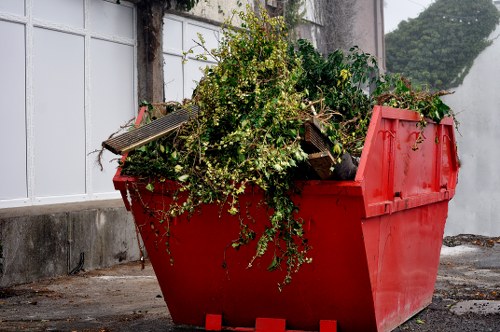 Waste removal teams must carry out pre-job checks and dynamic risk assessments. This includes identifying manual handling risks, trip and fall hazards, unstable loads, and vehicle movement zones. Workers should report defects in equipment, unsafe conditions, or near-miss incidents immediately. The standard operating procedure for junk hauling and debris removal requires work planning that minimises exposure to identified hazards and provides clear instructions for handling heavy, awkward or hazardous items.
Personal protective equipment (PPE) is mandatory where hazards cannot be eliminated. Typical PPE for junk removal waste operations includes gloves resistant to cuts and chemicals, high-visibility clothing, safety boots with toe protection, eye protection and respiratory protection when dust or fumes are present. Fit for purpose PPE shall be provided and maintained in good condition; staff must be trained in correct donning, doffing and care of PPE.
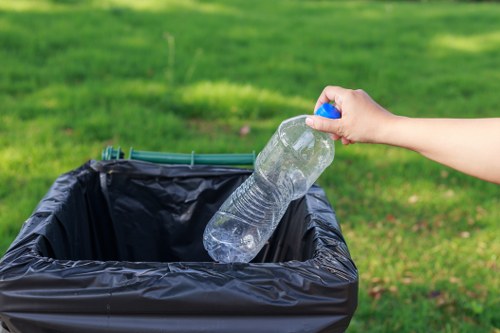 Manual handling and ergonomics are central to safe junk hauling. Crews are trained in correct lifting techniques, use of mechanical aids such as dollies and hoists, and load distribution methods to prevent strain injuries. Tasks are rotated where practicable to reduce repetitive strain. Where loads exceed safe manual handling limits, mechanical assistance or additional personnel must be used. Supervisors must enforce safe lifting standards and monitor for signs of fatigue.
Vehicle safety and secure transport are essential components of this policy. Vehicles used for waste removal must be inspected regularly, loaded to avoid overhang and imbalance, and secured to prevent shifting during transit. Drivers follow safe driving practices, comply with speed and load limits, and use vehicle restraints for bulky or hazardous items. Loading areas are controlled to prevent public access and reduce the risk of collisions.
Waste segregation and handling procedures reduce health risks. Different categories of materials — such as general refuse, metals, electronic waste, and potentially hazardous materials — must be separated at source when possible. Sharp objects should be bagged or boxed; liquids contained to prevent leaks; and chemical or asbestos-like materials identified and dealt with by trained personnel. Do not assume unknown materials are safe; treat suspicious items as hazardous and follow escalation protocols.
 Emergency response and incident reporting procedures are included in the safety framework. All incidents, injuries and near misses are to be reported immediately and recorded. First aid provisions must be available on site and personnel trained in basic first aid. In the event of spills, fires or exposure to hazardous substances, crews follow established containment, evacuation and notification steps. An incident investigation will identify root causes and corrective actions to prevent recurrence.
 Training, supervision and continuous improvement underpin effective waste removal safety. All staff receive induction training covering site hazards, safe handling practices, PPE use and emergency procedures. Ongoing training, toolbox talks and periodic competency checks keep skills current and reinforce safe behaviour. Performance is reviewed and feedback used to refine procedures. Regular audits and maintenance schedules ensure equipment reliability and operational safety for junk removal and waste management activities.
Roles, Responsibilities and Compliance
Management ensures policy implementation, allocates resources and promotes a safety culture. Supervisors manage day-to-day compliance and provide instruction. Crew members follow procedures and report hazards. Everyone shares responsibility for safe waste collection and disposal.
Key Controls and Best Practices
- Conduct pre-job risk assessments and site briefings.
- Use appropriate PPE and mechanical aids for heavy lifts.
- Segregate and contain hazardous wastes; never mix unknown substances.
- Maintain vehicle and equipment inspections and load-securement practices.
- Report incidents immediately and participate in reviews.
Adherence to this health and safety policy for junk removal waste and related services minimises harm to people and the environment. It supports sustainable operations by reducing accidents, preventing contamination events and promoting responsible material handling. Regular review will update the policy with new controls and lessons learned from operations to continually raise standards in debris removal and waste collection activities.
Signed and dated records of training, inspections and incident reports are maintained as part of operational oversight and used to drive improvements. Commitment to safety is a condition of employment for all personnel involved in waste removal, removal of bulky items and site clearance tasks.